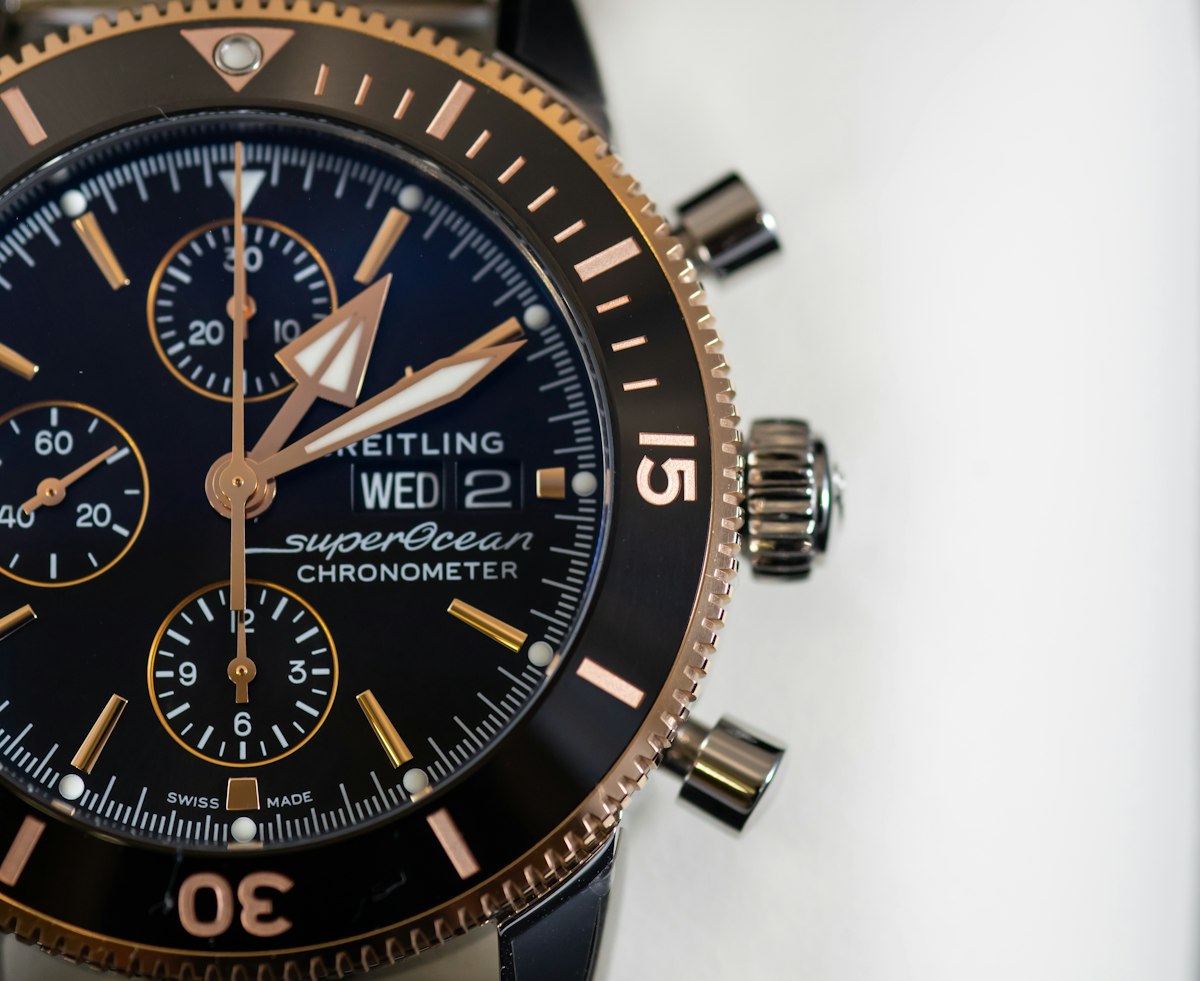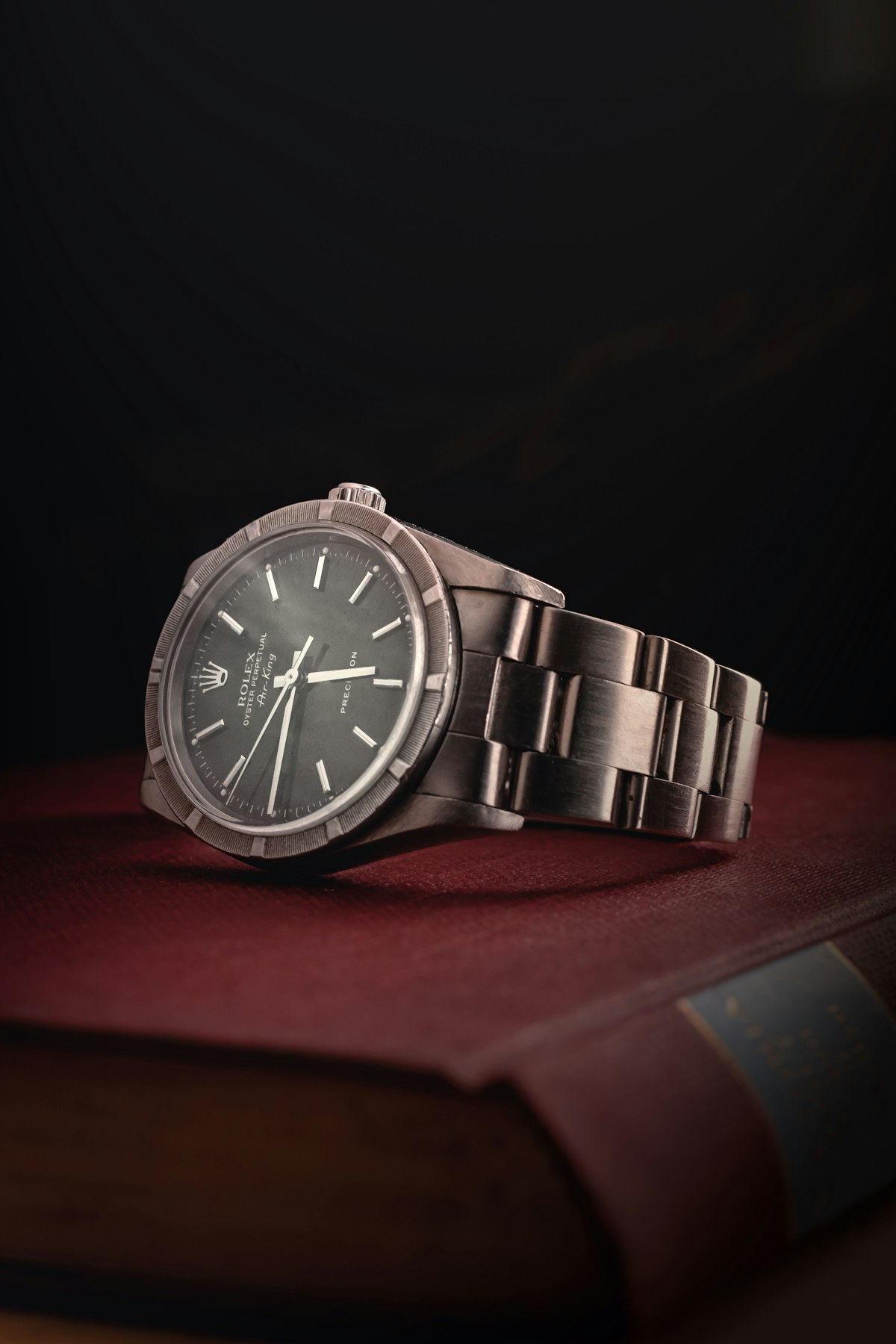
A well-maintained super clone watch can run reliably for years without professional service. A poorly maintained one will develop accuracy issues, bracelet stretch, and crown seal failures within months of purchase. This guide covers everything you need to do — and avoid — to keep your super clone running correctly for years.
Understanding the Movement: What Needs Servicing
A mechanical watch movement is a precision instrument with hundreds of moving parts, most of them smaller than a pencil tip. The movement runs continuously, typically at 28,800 beats per hour, meaning the escapement engages 28,800 times every hour of operation. Over a year, that is approximately 250 million engagement cycles.
The lubricants that reduce friction in the movement degrade over time. Synthetic watch oils are rated for approximately 5 to 8 years of service life under normal conditions. When they degrade, metal-on-metal friction increases, accuracy drops, and in extreme cases, components begin to wear. A service replaces degraded oils and inspects components for wear.
For a super clone running in normal conditions (daily wear, no extreme shocks or temperature exposure), a service interval of 3 to 4 years is appropriate. This is longer than the 2-year recommendation you may see for lower-quality movements because the VS Factory and Clean Factory cloned movements use higher-quality lubricants than entry-tier Asian movements.
Daily Wear: What to Do and What to Avoid
What to do
**Wear it regularly.** An automatic watch powers itself through wrist movement. A watch worn daily stays wound naturally and runs more consistently than one that sits unworn for weeks at a time. If a watch sits unworn for several months, the oils can pool or set in one position rather than distributing across the movement.
**Wind it fully before storage.** If you know you will not wear the watch for more than two weeks, wind it manually to full power reserve and store it in a horizontal or slightly angled position. A fully wound watch experiences less internal stress from the mainspring than one partially unwound.
**Set it in the afternoon if possible.** The date mechanism in watches with date complications changes at midnight. Setting the date manually when the movement is near midnight (generally between 9pm and 3am) can damage the date-changing mechanism. Set the date and time in the afternoon or morning to avoid this risk.
What to avoid
**Avoid strong magnetic fields.** Magnetic exposure affects the hairspring — the thin coil of metal that regulates the oscillation rate of the balance wheel. Magnetized hairsprings cause the watch to run fast, sometimes significantly so. Common sources of strong magnetic fields near watches: magnetic bag closures, laptop speakers, airport scanner trays, and some phone cases with magnetic card holders. If you notice your watch suddenly running 30 to 60+ seconds per day fast, it is likely magnetized. A watchmaker can demagnetize a movement with a degausser in seconds at no significant cost.
**Avoid extreme temperature changes.** Moving from a heated room to extreme cold and back rapidly stresses the lubricants and can affect accuracy temporarily. This is rarely a practical issue for daily wear but worth knowing if you are in contexts that involve extreme temperature swings (outdoor winter sports, industrial freezers).
**Avoid dropping the watch.** Impact shock is the most common cause of movement damage in super clone watches. A drop onto a hard floor from wrist height can dislodge balance wheel jewels, bend the hairspring, or damage the shock-absorber jewels. None of these failures are covered by the normal wear category and all require professional repair.
**Avoid strong chemicals.** Chlorine (swimming pool water, cleaning products), acetone (nail polish remover), and solvents can attack the gaskets that create the water-resistant seal around the crown and case back. If the watch is exposed to pool water regularly, rinse with fresh water afterward and have the seals tested annually.
Water Resistance: What the Rating Actually Means
The water resistance rating on your watch face or case back (30m, 100m, 200m, 300m) refers to static pressure testing, not dynamic water activity. Dynamic water pressure from swimming or splashing exceeds the static rating.
Practical guidelines for super clone water resistance:
- 30m rating: Splash-proof. Acceptable for hand-washing and rain. Not for swimming or diving.
- 50m rating: Acceptable for shallow water and swimming. Not for diving.
- 100m rating: Acceptable for swimming, snorkeling, and recreational water activities. Not for scuba diving.
- 200m and 300m rating: Suitable for recreational scuba diving and serious water sports.
Most Submariner and Seamaster super clones carry 300m ratings in their specifications. In practice, the seals maintain water resistance effectively for casual water use. Annual pressure testing by a watchmaker is recommended if you regularly expose the watch to water.
**Never operate the crown underwater.** Pulling out the crown to set the time while the watch is submerged destroys the water resistance of any watch, genuine or clone.
Cleaning Your Watch
Regular cleaning prevents buildup that causes long-term damage to bracelets and cases.
**Weekly**: Wipe the case and crystal with a soft, lint-free microfiber cloth. This removes oils, sweat, and dust before they accumulate.
**Monthly**: For steel bracelets, use a soft toothbrush with mild soap and warm water to clean between the bracelet links. Rinse thoroughly with clean water. Dry immediately and completely with a soft cloth.
**Quarterly**: Inspect the crown for signs of corrosion or salt crystallization around the crown tube. If the crown is stiff or rough when operated, the seal may be drying or deposits may have accumulated. A watchmaker can clean and re-lube the crown seal inexpensively.
**Avoid**: Ultrasonic cleaners. These vibrate at frequencies that can dislodge stones in set bezels, displace lubricants in the movement (if the crystal seal is imperfect), and damage rubber gaskets. Ultrasonic cleaning is appropriate for professional watchmakers with proper training, not for home use.
Bracelet Care and Stretch
Metal bracelets stretch over time due to wear on the pins and links. A stretched bracelet develops visible gaps between links and a loose, sloppy feel on the wrist. This is normal for any frequently worn bracelet — genuine or super clone.
Prevent premature stretch by:
- Not banging the bracelet against hard surfaces during wear
- Cleaning the bracelet regularly to prevent abrasive grit accumulation in the link joints
- Having a watchmaker tighten or replace worn bracelet pins every 2 to 3 years
Severely stretched bracelets can be replaced. Contact us via WhatsApp about bracelet replacement for any reference we carry.

Regulating Accuracy
Super clone movements leave the factory regulated to plus or minus five to ten seconds per day. This is the accuracy specification you should expect from a quality super clone.
If you notice the watch running significantly outside this range (more than 15 seconds fast or slow per day consistently over a week), regulation by a watchmaker restores factory accuracy. This is a minor service that typically takes 15 to 30 minutes and costs $20 to $50 at a general watch servicing shop.
Do not regulate the watch yourself unless you have watchmaking training. The regulation adjuster screw is extremely small and easy to damage.
When to Get a Full Service
A full service is necessary when you notice:
- Accuracy degrading to more than 20 seconds per day despite regulation attempts
- The watch stopping during normal wear despite being worn daily
- The crown slipping or not winding the movement
- The date failing to advance at midnight
- Any grinding sensation or sound during crown operation
A full service from a watchmaker for a clone movement typically costs $80 to $200 depending on complexity. Service your watch before the movement fails, not after — addressing degraded lubricants is far less expensive than replacing worn components.
Contact us via WhatsApp if you have questions about maintenance or need a referral to a watchmaker in your area who is experienced with clone movements.
Ready to order yours?
Browse our collections or message Jack Watches directly on WhatsApp for pricing and availability.