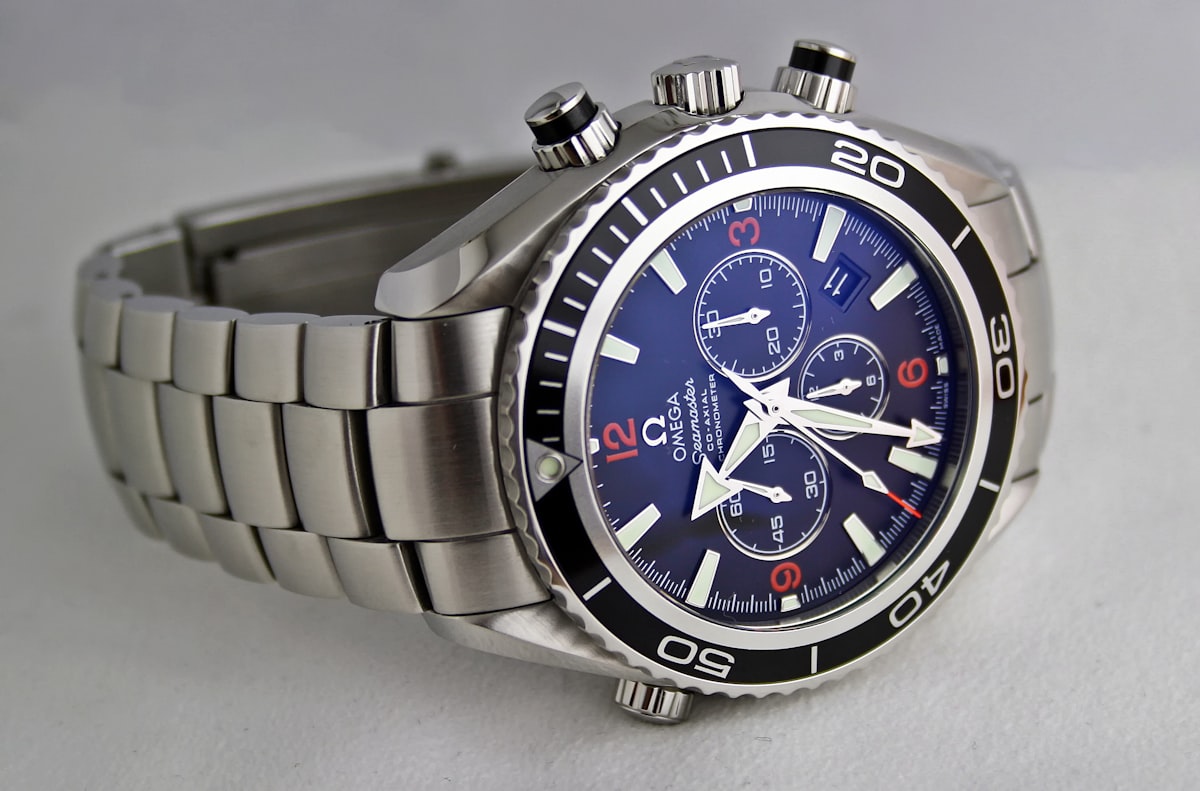
Both are iconic chronographs with genuine historical credentials. Both are available as high-quality super clones at a fraction of the genuine cost. And yet the Daytona and the Speedmaster are fundamentally different watches designed for different contexts and communicating different things about the wearer. This guide helps you decide which chronograph super clone to buy.
The Short Answer
Buy the Daytona if: you want the most sought-after Rolex, the best mechanical chronograph clone available, and a watch that generates immediate recognition across demographics.
Buy the Speedmaster if: you want historical significance, a manual-wind movement experience, the NASA Moon mission provenance, and a watch that generates deeper recognition specifically within watch-literate circles.
Both are excellent super clones. Neither is the wrong choice. The decision is about what you want the watch to mean.
Rolex Daytona 126500LN: What You Are Getting
The Daytona is Rolex's most coveted reference. The genuine stainless steel version (126500LN in black or white dial) sits on years of waitlists at authorized dealers and trades at significant premiums on the secondary market. It is the only reference in the current Rolex lineup that generates this level of market pressure, and that pressure is partly what makes it so widely recognized as a desirable object.
The super clone Daytona uses the VS Factory cloned 4130 movement. This is the most technically demanding movement clone in the market because the genuine Caliber 4130 uses a patented vertical clutch chronograph mechanism — fundamentally different from the column wheel horizontal clutch found in most chronograph movements. VS Factory invested substantially in replicating this correctly. The result is a Daytona clone where the chronograph starts, stops, and resets with the clean, decisive action of the genuine.
The case: 40mm in 904L steel with a black ceramic bezel. The bezel tachymeter scale is laser-engraved on the ceramic, not printed, giving it durability that does not fade with normal wear. The bracelet is the Oyster with the Oysterclasp — a three-fold clasp with a push-button release and Rolex Crown engravings.
The dial: black or white configuration, with three chronograph subdials at 6, 9, and 3 for running seconds (when chronograph is stopped), minute counter, and hour counter respectively.
Price: $600 to $750.
Omega Speedmaster Moonwatch: What You Are Getting
The Speedmaster's claim is different from the Daytona's. While the Daytona generates coveted status through scarcity and secondary market premium, the Speedmaster earns recognition through a documented role in one of the most significant events in human history. It was the watch worn by Buzz Aldrin when he stepped onto the Moon's surface on July 20, 1969 — a fact stamped on the case back of every professional Moonwatch ever produced.
This provenance translates directly to a different kind of recognition. Watch enthusiasts know the Speedmaster's story in detail. Anyone who follows space exploration knows the reference. The general public recognizes it as "the NASA watch" even without knowing the brand. This cross-demographic recognition is unique in the watch market and contributes to the Speedmaster's sustained popularity across generations.
The super clone Speedmaster uses a manual-wind clone movement. The hesalite (acrylic) crystal on the dial side matches the genuine specification — the same design choice that has been maintained since 1965. The tachymeter bezel is on the fixed outer bezel ring, not on a rotating insert. The stainless case is 42mm.
Price: $420 to $520.

The Movement Experience: Automatic vs Manual Wind
This is a fundamental difference between the two watches and it matters more than any visual detail.
The Daytona is automatic. Put it on your wrist, and wrist movement winds the rotor, which winds the mainspring. You never need to manually wind it under normal daily-wear conditions.
The Speedmaster is manual wind. You need to wind it by turning the crown, ideally once per day or once every two days. Skipping winding means the watch runs down and stops.
For some buyers, manual winding is a ritualistic inconvenience they are happy to accept. The deliberate act of winding a watch creates a different relationship with it than an automatic that runs invisibly. For others, it is a friction point that will cause the watch to be worn less frequently.
Be honest with yourself about which camp you are in. If the idea of daily winding feels burdensome, buy the Daytona. If it sounds like a practice you would enjoy, the Speedmaster's manual-wind experience is part of its appeal.
The Chronograph Function: Racing vs Space
Both watches have fully functional chronographs. But they come from different traditions and serve different original purposes.
The Daytona's chronograph is designed for measuring average speed over a fixed distance using the tachymeter bezel. The reference name comes from Daytona International Speedway. The design language — racing-oriented subdials, tachymeter scale — is automotive and motorsport in character.
The Speedmaster's chronograph was qualified by NASA for space use because of its accuracy and reliability under extreme conditions, including vacuum, extreme cold, and vibration. The tachymeter on the outer bezel allows similar speed calculations. But the context is space exploration rather than racing. Both are tool chronographs. The tools are for different tasks.
Recognition: Who Identifies Each Watch
This is more relevant than it might seem, because part of the value of a watch is what it communicates to the people you interact with.
The Daytona: Recognized as a desirable Rolex by almost anyone who has had casual exposure to luxury watches. The name "Daytona" registers as significant even to people who cannot identify specific Rolex models. In nearly any social or professional context, a Daytona reads as expensive and coveted.
The Speedmaster: Recognized immediately by watch enthusiasts and space enthusiasts. Recognized as an Omega by people with moderate watch awareness. Recognized as "a chronograph" by casual observers. The depth of recognition when it does click ("that's the Moon watch") is often more gratifying than the broader but shallower recognition of the Daytona.
Choose based on your audience and your preference for breadth versus depth of recognition.
Price Comparison
Daytona 126500LN (black or white dial): $600 to $750.
Speedmaster Moonwatch Professional (hesalite, steel bracelet): $420 to $520.
The $150 to $230 price difference reflects the greater manufacturing complexity of the cloned 4130 vertical clutch movement in the Daytona. If budget is the primary constraint, the Speedmaster delivers exceptional value.
Final Recommendation
**Choose the Daytona if**:
- You want automatic winding convenience
- You want the widest possible name recognition for a Rolex
- You are drawn to motorsport and racing heritage
- You want the most technically impressive chronograph clone in the market
**Choose the Speedmaster if**:
- You are interested in space exploration history
- You enjoy the ritual of manual winding
- You want to be recognized by people who truly know watches
- You prefer the $420 price point versus $650 for the Daytona
Both are available with QC photography at Jack Watches. Contact via WhatsApp to confirm stock and receive archived photos from recent production before you commit.
Ready to order yours?
Browse our collections or message Jack Watches directly on WhatsApp for pricing and availability.